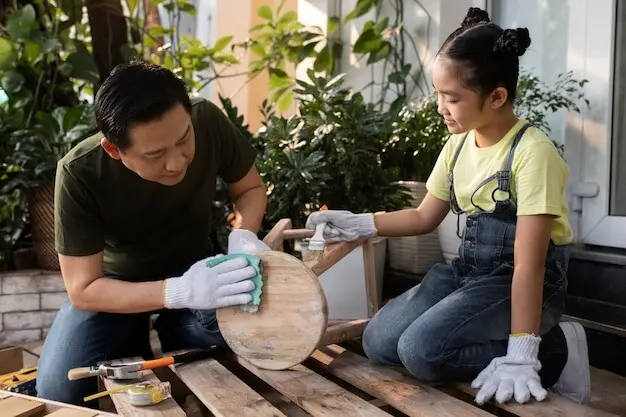
Gentle Methods, Powerful Clean
How Clean Chemistry Protects Your Space
pH That Respects Finishes
Match cleaner pH to the material. Neutral solutions are safer for sealed wood and many textiles, while slightly alkaline formulas lift greasy soils without stripping protective layers. Always patch test, dilute correctly, and let products rest briefly on soils. Controlled dwell time often does more than forceful scrubbing, protecting coatings and fibers while still delivering consistent cleanliness across high-touch areas.
Surfactants Without Guilt
Choose readily biodegradable surfactants derived from coconut, sugar, or corn that disperse soils efficiently, rinse clean, and reduce aquatic impact. They help water penetrate grime so you use less product and pressure. Avoid quats and persistent compounds indoors when possible, especially around children and pets. Pair with microfiber to physically lift particles, cutting chemical load while achieving a polished, reassuring finish everywhere.
Water Hardness, Soils, and Results
Hard water can leave films and frustrate streak-free results, even with great formulas. Compensate by softening your dilution water or slightly increasing cleaner, staying within safe ranges. Identify soil types—particulate, oily, or protein—and select gentle methods accordingly. This small diagnostic step reduces repeated passes, protects surfaces, and ensures your eco-friendly approach remains both efficient and impressively reliable during everyday maintenance.
Room-to-Room Surface Playbook
Upholstery: From Coffee Rings to Crayons
Blot liquids immediately with a clean, absorbent cloth. Use enzyme cleaners for dairy, sweat, or food stains, and a gentle plant-based degreaser for oils. Work from the edges inward to avoid rings, then rinse by blotting with damp water-only cloths. Air-dry with a fan, brushing fibers lightly. Routine vacuuming through crevices reduces grit damage and dramatically extends the life and comfort of cherished seating.
Curtains and Drapes With Delicate Fibers
Dust and pollen cling quietly to fabric folds. Weekly shake-outs and low-suction vacuuming reduce buildup before laundering becomes necessary. For washable panels, choose cold water, mild detergent, and a mesh bag. Avoid fabric softeners that reduce absorbency and increase residue. Line-dry for shape, then steam gently to relax wrinkles. For non-washable blends, professional wet-clean options can be greener than traditional solvents and often kinder overall.
Rugs, Runners, and Pet-Friendly Habits
Vacuum regularly with a brush-roll suitable for your pile height, then rotate rugs to balance sun exposure. For accidents, neutralize odors with enzymatic formulas and rinse thoroughly to prevent wicking. Wool responds well to cool water and oxygen-based brighteners, never chlorine. Dry completely, elevating edges for airflow. Establish entry mats, pet paw wipes, and weekly maintenance to keep traffic areas lively yet beautifully refreshed all year.
Healthier Air, Happier Allergies
Freshness Without Heavy Perfumes
Clean smells like nothing at all when residues are rinsed and textiles dry fully. If you enjoy scent, lean on open windows, simmered citrus peels, or a single drop of quality oil on a cloth placed away from faces. Avoid diffuser overuse. Prioritize soil removal, not masking. Guests will notice crisp air, sunlit brightness, and the satisfying quiet that follows genuinely thorough, low-scent, residue-free care throughout rooms.
Dust Control That Actually Reduces Dust
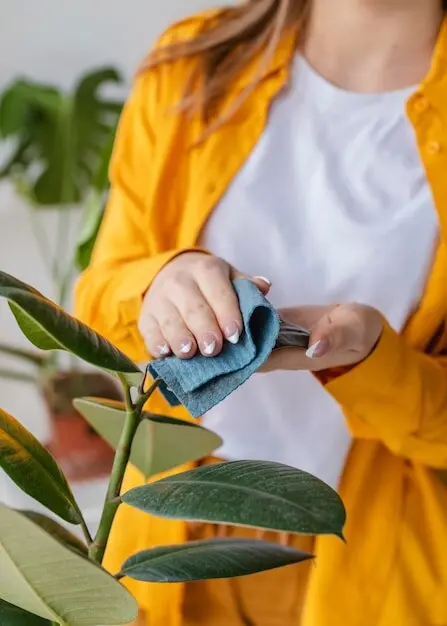
Employ microfiber with split fibers that trap particles rather than chasing them around. Wash filters, vacuum with sealed HEPA, and store fabrics clean to prevent redistributing lint. Address sources: shoe mats, pet grooming, and tidy shelving. Weekly rhythms beat marathon sessions. With consistent, small routines, dust settles less, breathing improves, and shelves, frames, and screens gleam without constant battles against drifting, powdery films.

DIY Mixes That Truly Work
Workflow, Tools, and Reusables
Sequence That Saves Minutes
Cloth Care for Peak Performance
Checklists That Actually Stick
Stories, Metrics, and Motivation
Apartment Glow-Up With Fewer Irritants
One reader replaced aerosols with a mild soap spray, learned to dwell instead of scrub, and used a squeegee after showers. Within weeks, mirrors stopped streaking, towels smelled neutral, and dusting took half the time. Migraines eased noticeably. Their landlord noticed the preserved finishes, and the deposit returned fully. Small swaps, tracked simply, created steadier comfort and convincing proof that gentler habits truly last under city schedules.
Boutique Office, Big Shine, Small Footprint
A three-room studio switched to refill concentrates, color-coded cloths, and HEPA vacuuming. They logged thirty percent less water use and cut bin liners by reusing washable can inserts. Clients commented on fresh, unscented air and bright glass. Quarterly stone sealing kept entry tiles vivid without constant scrubbing. The team now trains new staff with a ten-minute routine video and a joyful checklist written in plain language.
Your Wins, Your Questions, Our Next Steps
Tell us which surfaces challenge you, which fabrics resist stains, and what made your routine easier. Post photos, ask for tailored advice, and subscribe for monthly mini-guides. We’ll test reader-suggested methods, share transparent results, and celebrate measurable progress. Together, we’ll refine kinder cleaning that respects homes, time, and budgets while keeping rooms inviting, breathable, and quietly radiant for everyone who shares the space.